
Beyond The Canvas: Summer 2024 Edition


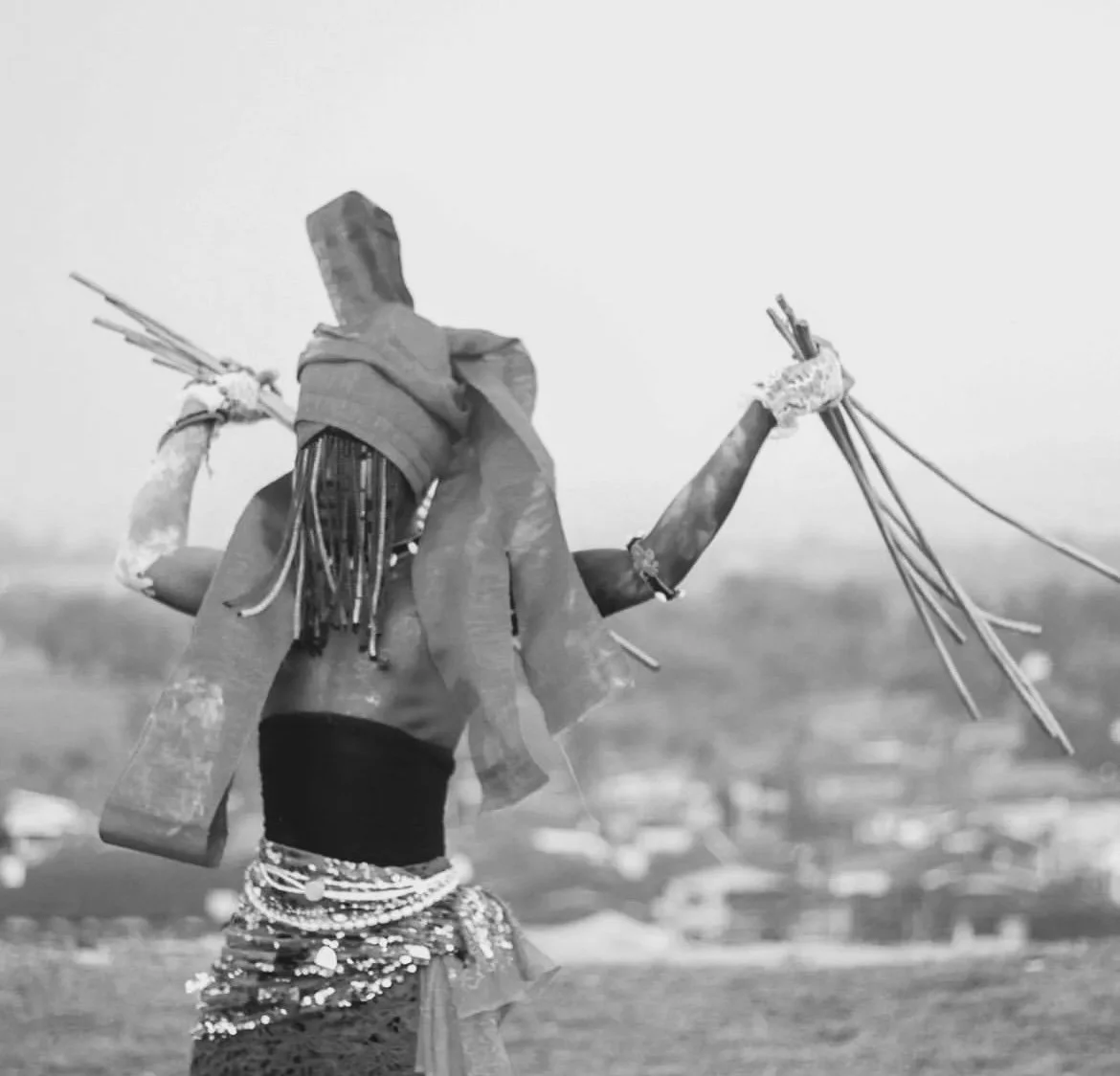
Egbiameje Omole
Based in Ibadan, Egbiameje Omole is a performance artist and poet whose practice merges writing with embodied expressions. Their performances often begin with sketches, conversations, and the collection of objects as part of their research process. Omole’s works explore identity and amplify the experiences of marginalized communities, particularly Nigerian queer/LGBTQ+ identities. They examine the dual reality of living with anxiety in a society that silences you—alongside the radical act of self-liberation through authenticity.

Ehiko Odeh
Born in Lagos and based in Toronto, Ehiko Odeh is a multidisciplinary artist and researcher whose practice is rooted in spirituality, wellness, and play. Working across painting, collage, and textile, she explores themes of hair-making and hairstyling, focusing on hair products, ingredients, and their distribution across African countries. Her practice also engages with identity, decolonization, memory, and ethnobotany, continuously pushing its boundaries. At the core of Odeh’s work is a deep interest in the politics of African and Black hair. She draws from personal memories—her mother making her hair, childhood visits to Nigerian hair salons, and the meticulous care Black people dedicate to hairstyling. For Odeh, hairstyling is both a form of self-expression and a cultural tradition passed from hand to hand. Her works also reference the bold iconography and hand-painted advertisements commonly seen outside hair salons across Africa and the Caribbean.

Folu Oyefeso
Folu Oyefeso is an Ibadan-based photographer and writer whose work explores Africa’s rich cultural heritage, landscapes, and everyday life. In 2024, he was featured in Beyond The Canvas online mentorship program, an experience that further shaped his creative vision. At the core of Oyefeso’s practice is a deep curiosity about digital technology and its potential to expand the boundaries of image-making. His digital photography collages layer different images and motifs against vibrant backgrounds, creating an interplay of contrast and cohesion—a visual language that is both bold and intricate. Beyond photography, Oyefeso runs an online journal where he documents his voyage across the continent, offering reflections that inspire a greater appreciation of history and our ever-evolving world.
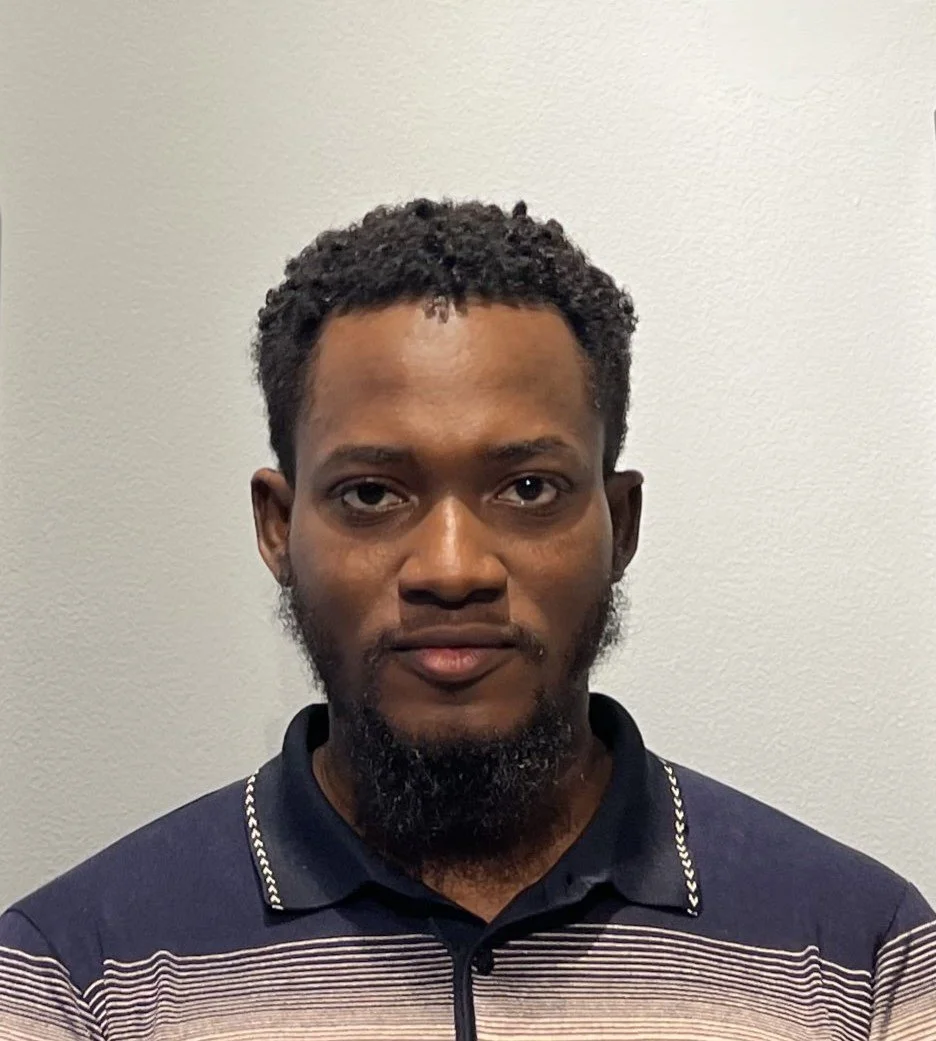
Idris Abdulwahab
Born in the United Kingdom and based in Abuja, Idris Abdulwahab draws from his upbringing in Northern Nigeria and his Islamic heritage to experiment with Arabic calligraphy styles and scripts. His work merges traditional calligraphy with abstract expressions to explore themes of cultural identity, spirituality, and the transformative power of the written word. Abdulwahab’s artistic journey began with ink-on-paper calligraphy before evolving into acrylic paintings on canvas, digital drawings, and now, collages crafted from photography archives. He embraces language, symbols, and writing as ornamental structures—pushing them beyond convention to create new forms that reference pre-colonial writing systems. “The results of this dissection,” Abdulwahab explains, “are works that carry an ephemerality of meanings that are always shifting leading to the emergence of numerous interpretations. With my art, there is an invitation into a space of form and disorder that is both contemplative and meditative. Where language is present, yet its legibility is disrupted and its movement expanded.”

Victoria Oniosun
Oniosun is a Nigerian painter currently pursuing a Master’s in Fine Art at the University for the Creative Arts, Canterbury. Her work explores themes of femininity, companionship, identity—both personal and societal—and women’s empowerment. Through the impasto painting technique, she captures the complexities of the female experience, layering strength, vulnerability, resilience, and passion onto the canvas. Her paintings are deeply personal, shaped by emotions and everyday life as she navigates the world, both independently and in connection with others. “Each stroke, each thick application of paint, symbolizes the multifaceted nature of womanhood. Just as the impasto technique builds up the surface of the canvas, so do women build upon their experiences, histories, and emotions to shape who they are.”, says Victoria Oniosun.